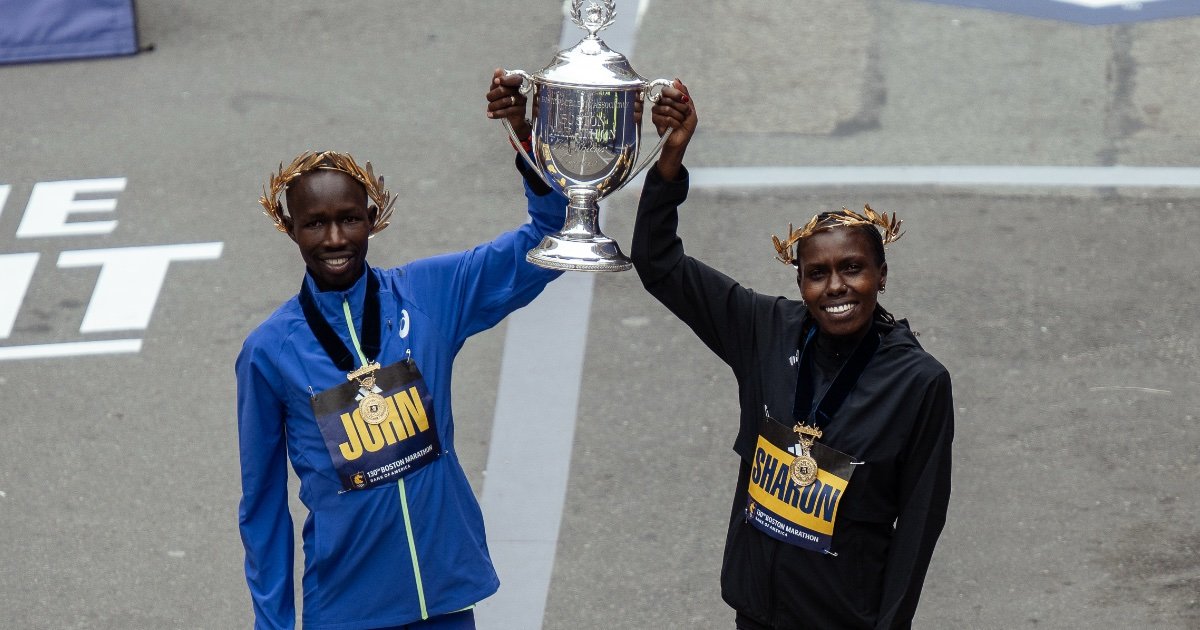
By Chris Chavez
April 21, 2026
The conditions aligned and the athletes committed, which gave us one of the most thrilling and historic days in Boston Marathon history.
What makes Boston different from every other marathon is that those who follow it closely can paint a picture of a race just by hearing the year. You say 2012 and everyone remembers the heat. You say 2018 and they feel the maelstrom. For 15 years, 2011 has been the windy one and the race people would daydream about in their training logs: “If I had that tailwind, I could have run…”
Monday was that kind of day. And then some. Here are some parting thoughts from Boston:
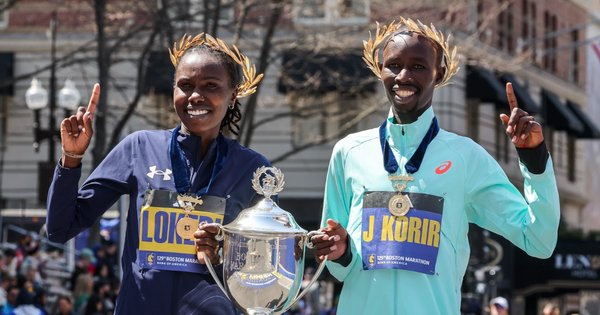
John Korir Broke The Boston Marathon
There have been many times in the 130-year history of the Boston Marathon where you see someone go out crazy hard, then fade, but still hold on for victory. What you almost never see is what John Korir was able to pull off on Monday. The 29-year-old went 2:01:52, thanks to a second half split of 60:02 (which includes some of the hardest parts of the race, including the famous Newton Hills), to shatter Geoffrey Mutai’s 2:03:02 course record from 2011.
Korir not only took advantage of the conditions but also made multiple brilliant tactical moves to defend his title. Among the leaders, he went through the halfway point in 61:50, eight seconds up on Mutai’s pace, and perfectly covered a quick breakaway move by Ethiopia’s Milkesa Mengesha (who eventually faded to tenth place in 2:05:35) before taking command of the race. He ran 28:10 from 30K to 40K, accelerated once he crested Heartbreak Hill, and was well clear of two of the world’s best marathoners—2025 New York City Marathon champion Benson Kipruto and 2025 World champion Alphonce Felix Simbu, who would also both get under the previous course record. Korir did a bit of a throat slash celebration and then stuck his tongue out before opening his arms wide and becoming just the second man to successfully defend his Boston title since 2000.
One of the most fun moments from the finish line came when Korir learned he had broken the course record from Boston Athletic Association CEO Jack Fleming. Instead of offering a meek fist pump or exhausted clap, his legs somehow still had the energy to jump for joy.
Korir now faces a tough decision around his fall racing schedule. He has strengthened his case for holding the title of the best marathoner in the world, but that thesis will be challenged when Sabastian Sawe (3-for-3 in his marathons and an impressive 2:02 win in a hot Berlin race last year) and Jacob Kiplimo (beat Korir and ran 2:02:23 in Chicago last year) race in London next weekend. Many times, athletes can get locked into Major races once they win them because the appearance fee for a defending champion is too good to pass up. Korir did not finish last year’s Chicago Marathon but rebounded with a 2:02 victory at the Valencia Marathon. Berlin, Chicago and Valencia could be good options to explore a potential attack on the world record, despite him telling reporters in the post-race press conference on Monday that Kelvin Kiptum’s 2:00:35 is not quite on his mind just yet.

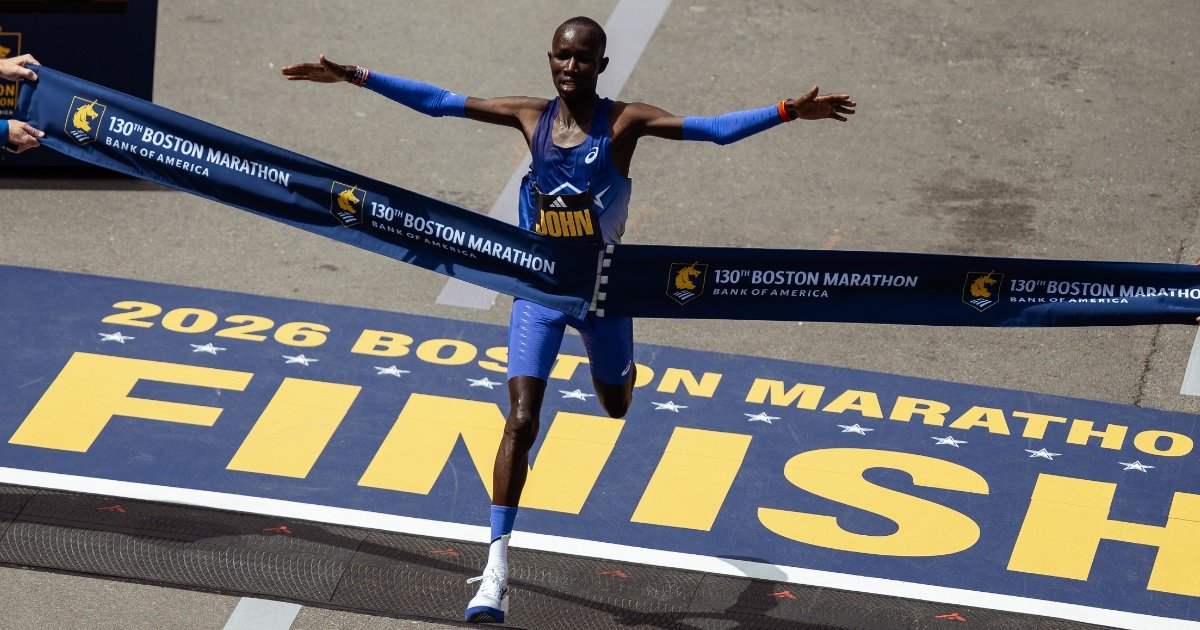
John Korir | Photo by Johnny Zhang / @jzsnapz
We Now Have A Good Problem Explaining American Marathoning Times
We’ll try to make this as clear as possible. Last October, Conner Mantz set the American record with his 2:04:43 for fourth place at the Chicago Marathon. Yesterday had no bearing on Mantz’s record-holding status because Boston’s point-to-point course is not record-eligible.
Still, Zouhair Talbi and Charles Hicks have re-complicated things, since they just ran the two fastest marathons ever by Americans. Before Mantz’s record, we had a similar split with Ryan Hall’s 2:04:58 from 2011 standing atop the all-conditions U.S. list, but in 2025 Mantz unified “fastest ever” and “American record” under one mark.
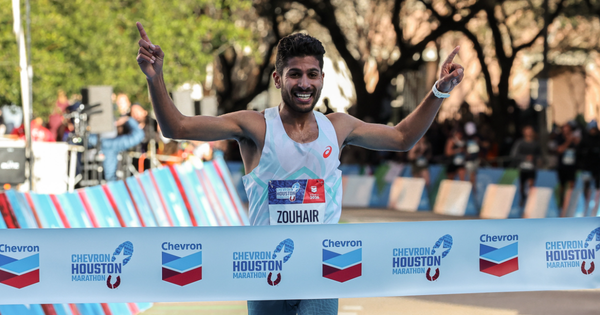
Let’s start with Zouhair Talbi, who was born in and represented Morocco at the Paris Olympics. He was an NAIA standout at Oklahoma City University and found success in the longer distances like 10,000m and eventually the marathon starting in 2024. He enlisted in the U.S. Army and became an American citizen in 2025, which makes him eligible to compete in USA Track and Field’s championship races, but he’s unable to represent America in international competition until August 2027. For more on his story and why he’s excited to represent the United States, we had a fantastic podcast with him in January after he ran 2:05:45 to win the Houston Marathon. His 2:03:45, fifth place showing in Boston is the fastest performance by an American man and took more than a minute off Ryan Hall’s 2:04:58 run for fourth place in 2011.
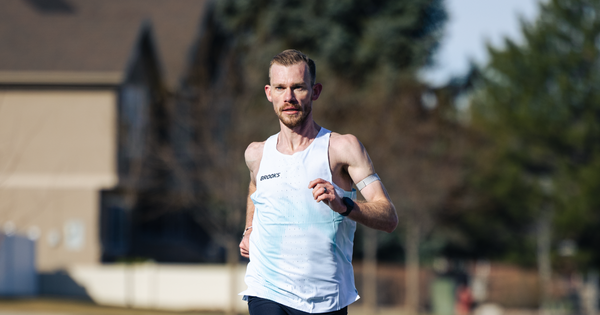
Hicks, who was born in England to American parents in 2001, briefly represented Great Britain in international competition but decided to switch to the United States. He will have his transfer of allegiance behind him by July 2026. At 24 years old, the 2022 NCAA XC champion for Stanford is one of the brightest prospects in the marathon for the decade(s) to come after running 2:09:59 for his debut in NYC last fall. He also got under Hall’s previous mark with a seventh-place finish in 2:04:35.
It wasn’t just those two who had incredible days. There were five Americans under 2:06: Clayton Young (11th, 2:05:41), Ryan Ford (12th, 2:05:46), and Joe Klecker (13th, 2:05:56).
Here’s a look at the top Americans in the field and how they ran compared to their personal best heading into the race:
- 5th place overall (1st American) – Zouhair Talbi, 2:03:45 (-2:00 PB)
- 7th place overall (2nd American) – Charles Hicks, 2:04:35 (-5:24 PB)
- 11th place overall (3rd American) – Clayton Young, 2:05:41 (-1:23 PB)
- 12th place overall (4th American) – Ryan Ford, 2:05:46 (-2:14 PB)
- 13th place overall (5th American) – Joe Klecker, 2:05:56 (-4:41 PB)
- 19th place overall (6th American) – Haftu Knight, 2:07:38 (-2:00 PB)
- 20th place overall (7th American) – Wesley Kiptoo, 2:07:55 (-0:59 PB)
- 22nd place overall (8th American) – Galen Rupp, 2:08:15 (+2:08)
- 23rd place overall (9th American) – Murphy Smith, 2:08:58 (-3:01 PB)
- 24th place overall (10th American) – Robert Miranda, 2:09:40 (-2:27 PB)
- 26th place overall (11th American) – Jacob Thomson, 2:09:51 (-1:05 PB)
- 27th place overall (12th American) – CJ Albertson, 2:09:59 (+1:42)
- 29th place overall (13th American) – Turner Wiley, 2:10:16 (+0:49)
- 30th place overall (14th American) – Ryan Johnson, 2:10:20 (-2:38 PB)
American marathoning depth felt like it was slowly developing throughout the early 2020s. Now it feels like it’s all arrived at once. Like we’ve said multiple times on our podcast or in our live shows, it’s not too early to get excited for the 2028 U.S. Olympic Marathon Trials. Stay tuned for an early Power Ranking of the top contenders in Wednesday’s edition of The Lap Count newsletter.

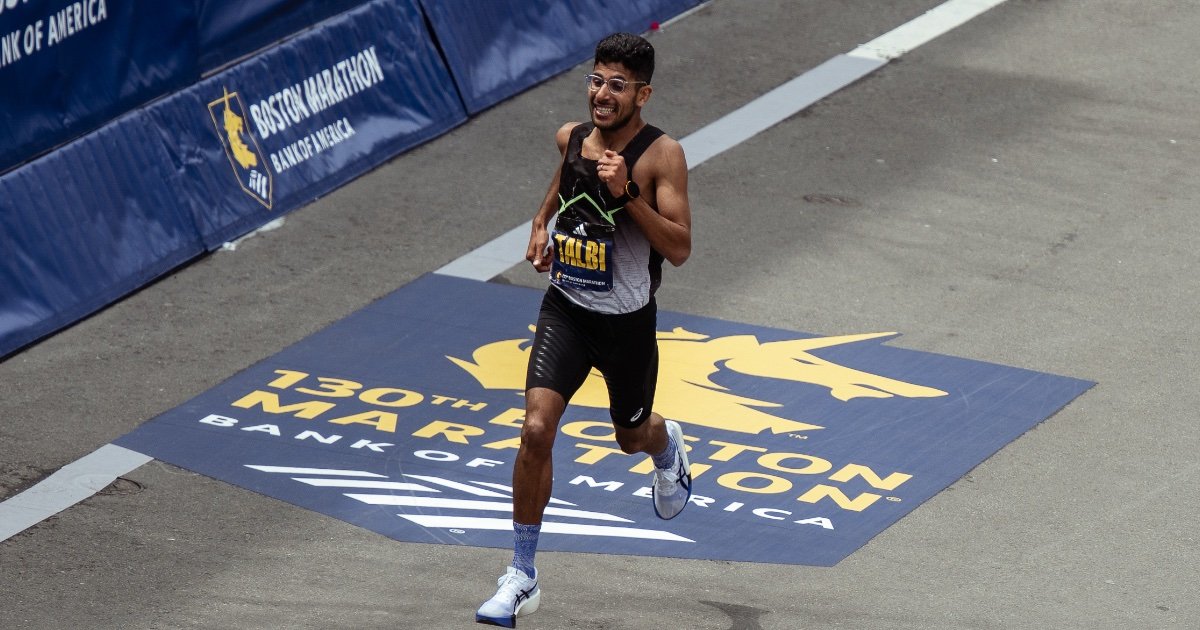
Zouhair Talbi | Photo by Johnny Zhang / @jzsnapz
Sharon Lokedi Forgot Her Watch
On the bus to the start, Sharon Lokedi realized that she had forgotten her watch. Her agent and coach, Stephen Haas, looked around to try and find a replacement. He had an Apple Watch and that wouldn’t work for Lokedi since she’s a Garmin-sponsored pro. Another coach had a competitor brand. Luckily, Stephen Pifer—the former University of Colorado runner and then pro, but now working at Skechers—had one that he could lend to the reigning champion. Lokedi got even luckier; it was a make and model that she had previously trained with, so she quickly made the setting adjustments that she was most comfortable with. Crisis averted.
Pifer’s watch would register some of the most impressive splits in Boston Marathon history. From 35K and 40K, Lokedi dropped a 14:48 (miles 22, 23, and 24: 4:41, 4:48, 4:35) for that 5K stretch, which is 25 seconds faster than her 15:13.04 PB on the track and two seconds faster than the outdoor 5000m NCAA record that was broken on Friday night by Jane Hedengren.
Kenya’s Irine Cheptai and Loice Chemnung attempted to cover the move but ended up burned. Lokedi won in 2:18:51, 44 seconds before Chemnung crossed the line. With her victory, Lokedi became just the seventh woman to win back-to-back Boston Marathon titles since the official era of women’s racing at the Boston Marathon began in 1972.
Elite company for Lokedi of back-to-back Boston champions:
- Rosa Mota (1987–1988)
- Olga Markova (1992–1993)
- Uta Pippig (1994–1996 — 3 straight)
- Fatuma Roba (1997–1999 — 3 straight)
- Catherine Ndereba (2000–2001 and 2004–2005)
- Hellen Obiri (2023–2024)
With her friendly rival Hellen Obiri contesting London next weekend, Lokedi was the well-deserved star of the show and hopefully more and more fans will realize just how good she is. In three and a half years of marathoning, she’s now won three World majors, finished on the podium six total times, and taken fourth at the Olympics. In eight career marathons, she’s never finished outside the top ten and only once – New York 2024 – finished lower than fourth.
Lokedi returned the watch after the race and got a picture with Pifer.

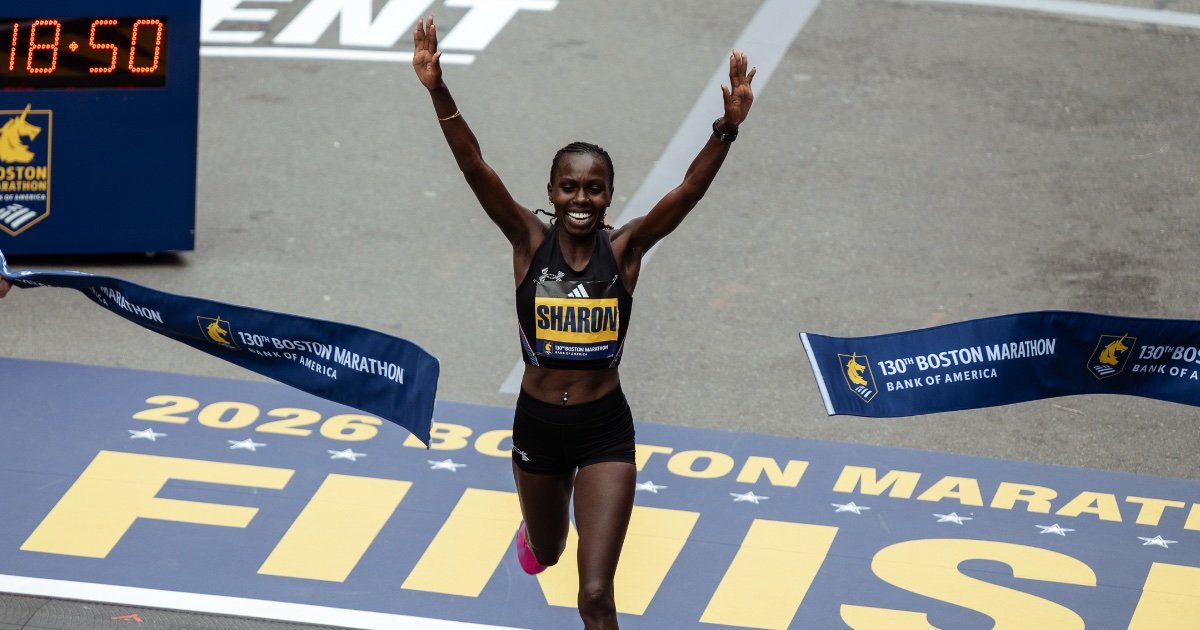
Sharon Lokedi | Photo by Johnny Zhang / @jzsnapz
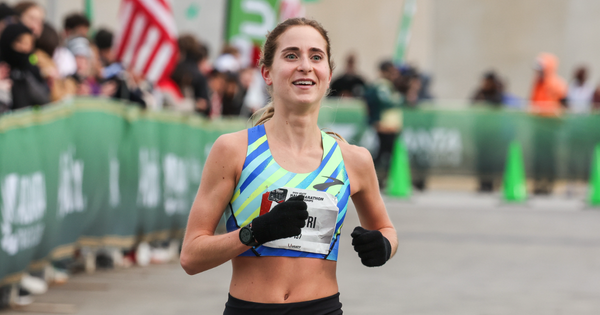
Jess McClain’s Full Send Lands Her Atop The Americans
Jess McClain absorbed all the talk around the likelihood of a tailwind favoring the runners and decided to “full send” the race by doing her best to hang with the leaders. She stayed with Lokedi and the East African contingent through about 20 miles and then managed to work her way through the carnage, picking off a few who faded from Lokedi’s surges. She ran a negative split of 71:02/69:47, secured 5th place in the closing meters of the race, and her 2:20:49 time is a big personal best and the fastest time by an American woman in Boston Marathon history. (The previous course record belonged to Shalane Flanagan’s 2:22:02 from the 2014 Boston Marathon.)
In the post-race press conference, McClain was also quick to acknowledge that she benefitted from being pushed by her fellow Americans in this race. In the lead-up, she touted it as a mini U.S. Championship wrapped into a World Marathon Major. Her Brooks teammate Susanna Sullivan led the field through 5K and 10K. U.S. Olympian Dakotah Popehn took her turn at the front and hyped up the crowd while passing through Wellesley. Kodi Kleven (a 2:29 marathoner based out of Utah with some ultra/trail races on her resume) announced herself to the scene by hanging with the leaders. McClain and Annie Frisbie, who were the top two American women last year, covered all the moves.
Here’s a look at the Americans in the pro field and how they ran compared to their personal best heading into the race:
- 5th place overall (1st American) – Jess McClain, 2:20:49 (-1:54 PB)
- 8th place overall (2nd American) – Annie Frisbie, 2:22:00 (-1:21 PB)
- 9th place overall (3rd American) – Emily Sisson, 2:22:39 (+4:10)
- 10th place overall (4th American) – Carrie Ellwood, 2:22:53 (-8:58 PB)
- 12th place overall (5th American) – Dakotah Popehn, 2:24:04 (-0:16 PB)
- 13th place overall (6th American) – Elena Hayday, 2:24:45 (-6:06 PB)
- 14th place overall (7th American) – Kodi Kleven, 2:24:48 (-4:30 PB)
- 15th place overall (8th American) – Amanda Vestri, 2:24:49 (-0:51 PB)
- 17th place overall (9th American) – Paige Wood, 2:26:34 (+0:32)
- 18th place overall (10th American) – Madeline Dickson, 2:28:12 (-0:45 PB)
- 19th place overall (11th American) – Susanna Sullivan, 2:28:35 (+6:39)
- 20th place overall (12th American) – Megan O’Neil, 2:31:31 (-3:24 PB)
- 21st place overall (13th American) – Sara Hall, 2:31:55 (+11:23)
- 24th place overall (14th American) – Erin Del Giudice, 2:33:54 (-3:42 PB)
- 25th place overall (15th American) – Elizabeth Chikotas, 2:34:29 (-0:32 PB)
- 28th place overall (16th American) – Alana Levy, 2:34:50 (-2:03 PB)
- 29th place overall (17th American) – Monica Hebner, 2:35:11 (+2:31)
McClain is one of America’s easiest marathoners to root for: 34 years old, day job, up before dawn to beat the Arizona heat. She famously finished fourth at both the 2024 Olympic Marathon Trials and the Olympic Trials 10,000m final (the sport’s cruelest placement, twice in one year) and responded by becoming one of the most consistent championship performers in the country. Sure, the wind helped on Monday but you can’t blow a 2:20:49 across the finish line. This is just the level American women’s marathoning is at right now.

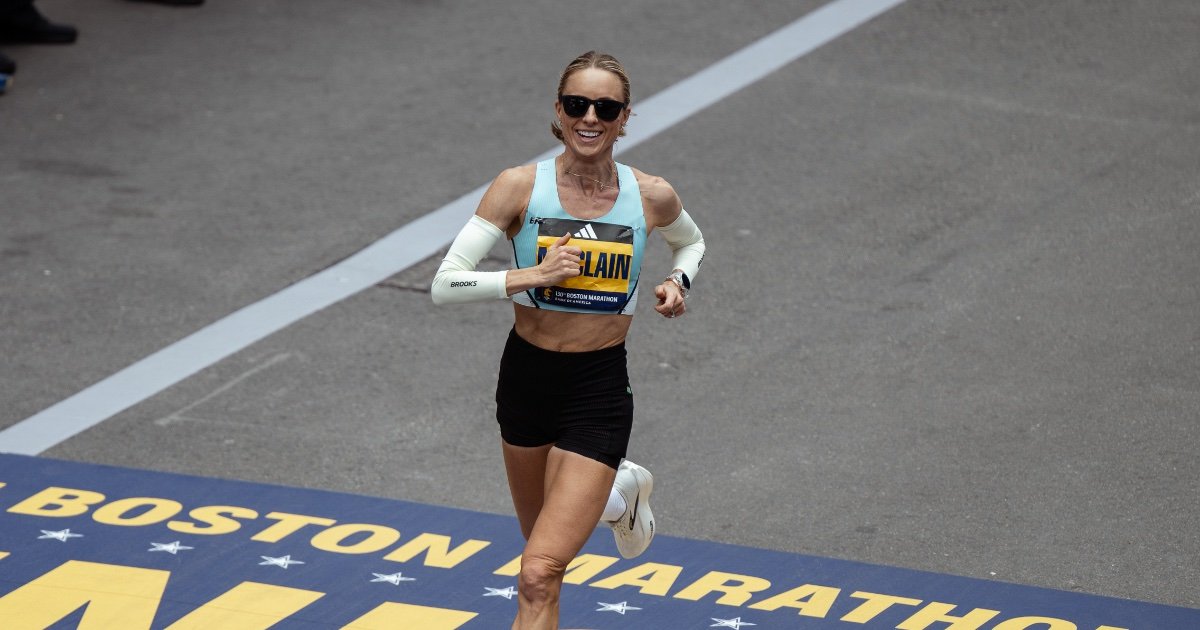
Jess McClain | Photo by Johnny Zhang / @jzsnapz
More Quick Thoughts On The 2026 Boston Marathon Pro Races:
– With the winner decided, Simbu employed his classic sit-and-kick move on Kipruto for the runner-up spot and a $35,000 difference between second and third place ($75,000 to $40,000). That finish had to have stung Kipruto’s wallet a bit. He can take solace in the fact that his resume as one of the best among marathoners of the 2020s, and he remains strong—this is his fourth podium finish in Boston in five appearances at the race.
– Loice Chemnung is probably not a name most fans know well, but the 29-year-old Kenyan runner-up could be changing that soon. The former track specialist with PBs of 14:43.65/30:44.86 seems to have only prioritized the roads beginning in 2024, and since last fall she’s finished fourth in Chicago in her debut, run 64:01 for the half in Barcelona (#6 all-time), and now taken second in Boston. In a decade of track racing, she only represented Kenya at a global championship once – as a 17 year old at World Juniors in 2014. Safe to say she’s finally found her best event.
– Kudos to Mary Ngugi-Cooper on her third podium finish at the Boston Marathon at 37 years old. In the post-race press conference, she openly admitted that she thought her career may be nearing its end after taking 11th in last year’s race. Running 2:20 in Chicago last fall delayed those thoughts and Monday’s run will too.
– As noted by many folks in our comments section on Instagram, Talbi’s 2:03 appears to be the fastest bespectacled marathon in history.
– Thanks to his dual citizenship, Hicks also now gets the unofficial honor of being the fastest British marathoner since his 2:04:35 would also be faster than Mo Farah’s British record of 2:05:11 from the 2018 Chicago Marathon.
– Annie Frisbie also got under Flanagan’s old record and is now second on the all-time American performance list at this race. She managed to match her 2025 Boston place but ran more than a minute faster.
– Emily Sisson, the U.S. record holder, did not have the perfect build-up to Boston but still put together a solid 2:22:39 for ninth place. As Kyle Merber noted on our watch party, this one was more for putting a good one on the board after struggling at the Olympic Games and not having her best day at the New York City Marathon.

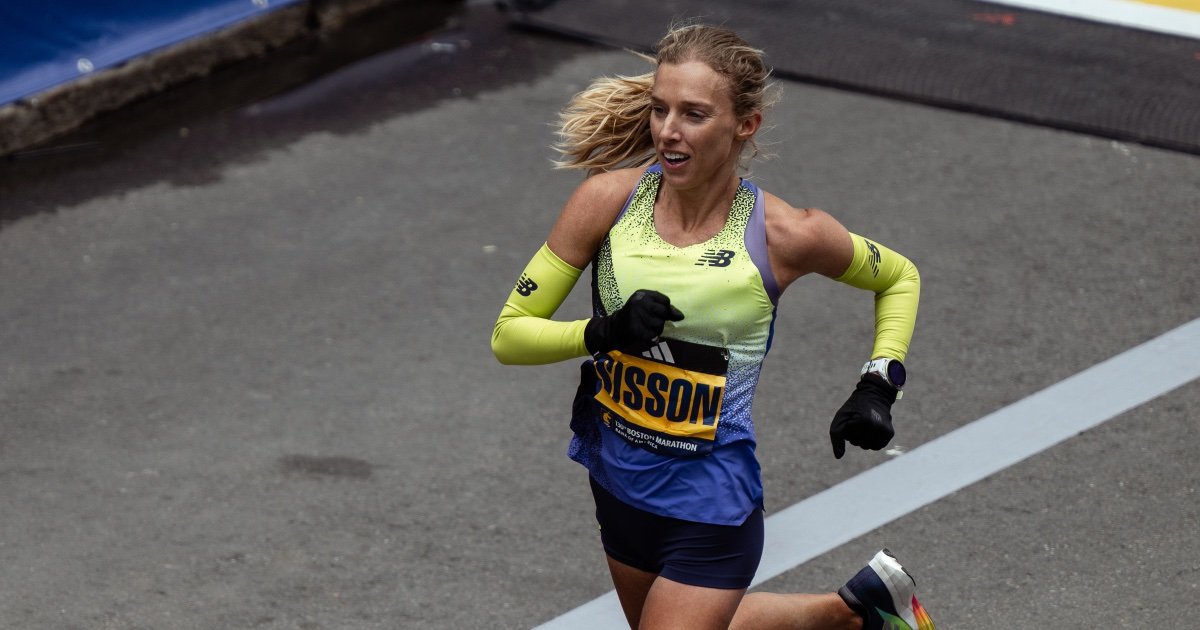
Emily Sisson | Photo by Johnny Zhang / @jzsnapz
– After injuries hindered the start of his marathon training block, Clayton Young probably feels good about his 2:05:41 personal best and turning the tables on his former BYU teammate Rory Linkletter (who finished 14th in 2:06:04).
– Ryan Ford, who should be taken a bit more seriously as a contender for the 2028 U.S. Olympic Marathon Trials picture, gave a cool nod of respect to Young on Instagram by writing, “Pacing Clayton in 2023 was one of the main inspos for me moving to road racing. Real full circle moment battling with him yesterday.” He finished just five seconds behind him in 2:05:46.
– It was a good step forward for Joe Klecker’s development as a marathoner as he finished 13th in 2:05:56. His Strava post explained a lot. He cramped at mile 9 after taking his bottle and had to jog for about 400 meters. He only saw his half split and 25-mile split, thought the clocks were broken when sub-2:06 appeared possible, then surged to run his final mile around 4:39.
– Carrie Ellwood should earn more attention after taking NINE minutes off her personal best and running 2:22:53 for 10th place.
– In her second marathon, Amanda Vestri took 51 seconds off her personal best to run 2:24:49 for 15th place. On Instagram, she wrote: “Marathons are so difficult and it’s hard not to play the comparison game when everyone is running so well. In my head I know it’s a PR therefore I should be happy, but I just want to skip all the steps and be at that next level already which is a really terrible way of judging my own success. Safe to say I need to work more on focusing on my own progress rather than comparing myself to people who have a lot more experience than me at this distance.”
– Galen Rupp is committed to continuing his marathoning career through 2028 and finished in 22nd place in 2:08:15, two weeks before turning 40 years old. Although Meb Keflezighi and Abdi Abdirahman managed to make Olympic teams in their 40s, the depth of American marathoning complicates his chances of making another Olympic team.
– One year after finishing sixth at Boston in 2:22:38, British marathoner Calli Hauger-Thackery crossed the same finish line in 2:43:58 while five months pregnant. She won the Honolulu Marathon in December before she knew she was pregnant and then won Houston in January in 2:24:17 while in her first trimester.
Keep up with all things track and field by following us across Instagram, X, Threads, and YouTube. Catch the latest episodes of the CITIUS MAG Podcast on Spotify and Apple Podcasts. For more, subscribe to The Lap Count and CITIUS MAG Newsletter for the top running news delivered straight to your inbox.
Chris Chavez
Chris Chavez launched CITIUS MAG in 2016 as a passion project while working full-time for Sports Illustrated. He covered the 2016 Olympics in Rio de Janeiro and grew his humble blog into a multi-pronged media company. He completed all six World Marathon Majors and on Feb. 15th, 2025 finally broke five minutes for the mile.