By Kyle Merber
March 19, 2026
One very downstream consequence of Elon Musk’s commitment to influence global elections is that #TrackTwitter just isn’t what it used to be. But, every now and then, it’s still worth wading through the sea of Russian bots and AI slop that is the website now known as X, because you can occasionally read spirited bickering between oval-based colleagues. This week, it felt like 2015 again with playful jabs being thrown by Botswana’s Letsile Tebogo towards Team USA’s 400m stars.

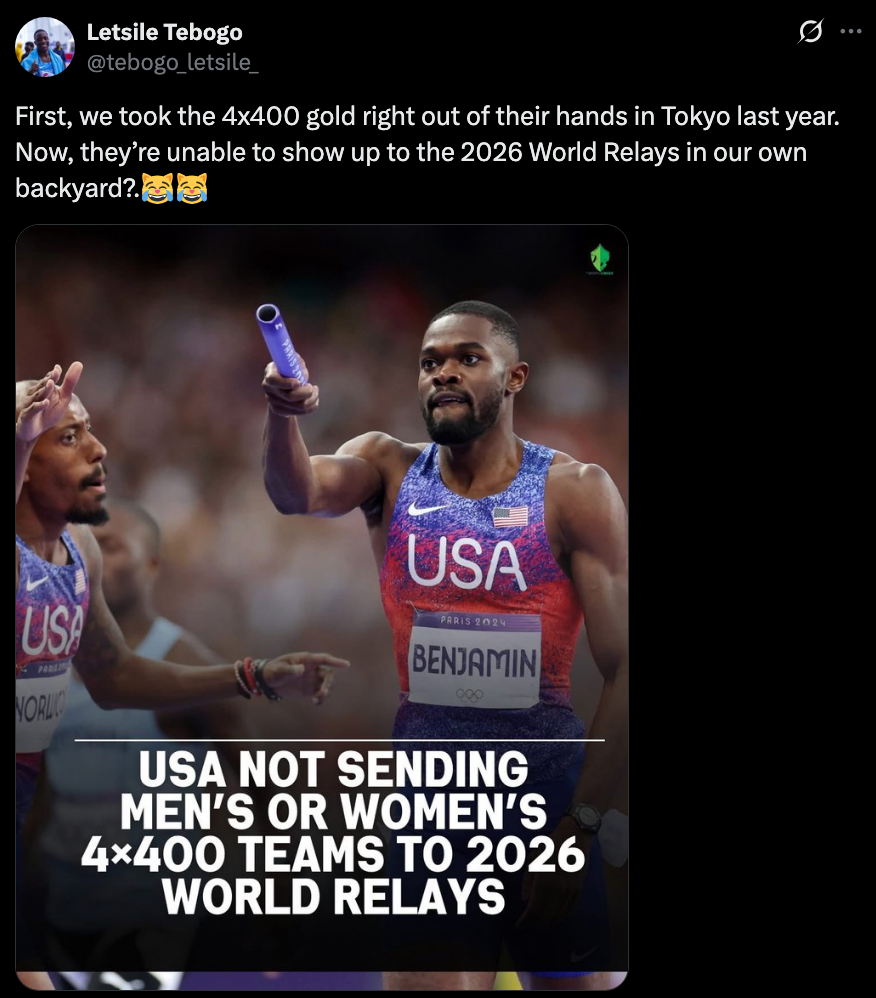


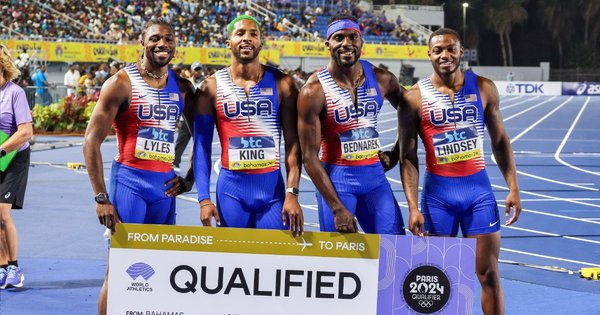
The eighth edition of The World Athletics Relays will be heading to Gaborone—Botswana’s capital city—during the first weekend of May, and the hometown heroes slash defending World Championship 4 x 400m team is clearly disappointed their chief rival won’t be making the trip. Unfortunately, there will be no rematch of the nail-biter that fans were treated to in Tokyo, where the country of just 2.6 million people took down Goliath. The victory tasted all the sweeter, because just one year earlier, the U.S. was on the favorable side of that coin flip, finishing in the gold medal position at the Paris Olympics.
And before that, the two other potential match-ups at the 2023 World Championships and the 2024 World Relays were muddled with disqualification, leaving everyone wholly unsatisfied. With the record at 1-1, it would appear the next opportunity to settle the score will not be until 2027. So much for striking while the iron’s hot!
At first glance, this is a massive bummer on the part of the Americans—we like to watch the stars race each other, especially in crossover events. Watching the Olympic champions at 200m and 400m hurdles battling each other down the homestretch is a fantasy match-up. It’s objectively good for the sport!
But unlike other federations, USATF has fairly little ability to coerce its top athletes into doing anything they don’t want to do. When it comes time to select who will run what in the biggest moments, those decisions are controversially decided by a small group of coaches who don’t care about loyalty—only if you can help get the baton around quickest.
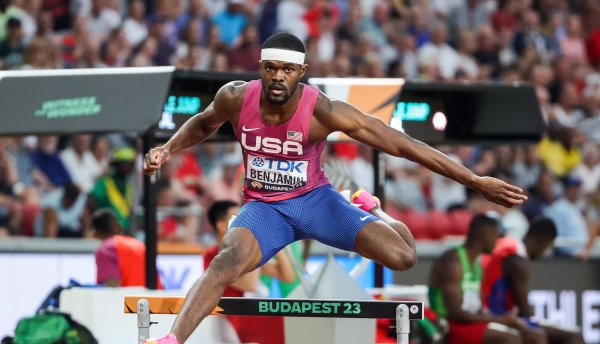
That means to get the likes of Rai Benjamin to commit to two 30+ hour travel days in a week, the main incentive has to be money. And after back-to-back global championship titles, Nike has given him plenty of that. First place for World Relays wins $40,000—total… not per person!—split six ways (and we haven’t even gotten into agents’ cuts). That’s a lot of flying and sacrificed training for the chance to earn $5K.


World Athletics knows money is an expensive motivator, therefore they lean on qualification. At this year’s World Relays, countries can qualify teams for the 2027 World Championships by finishing in the top 12. This is a great solution for 99% of the nations of the world, but for better or worse, the United States simply doesn’t need to venture down this path in an event like the men’s 4 x 400m.
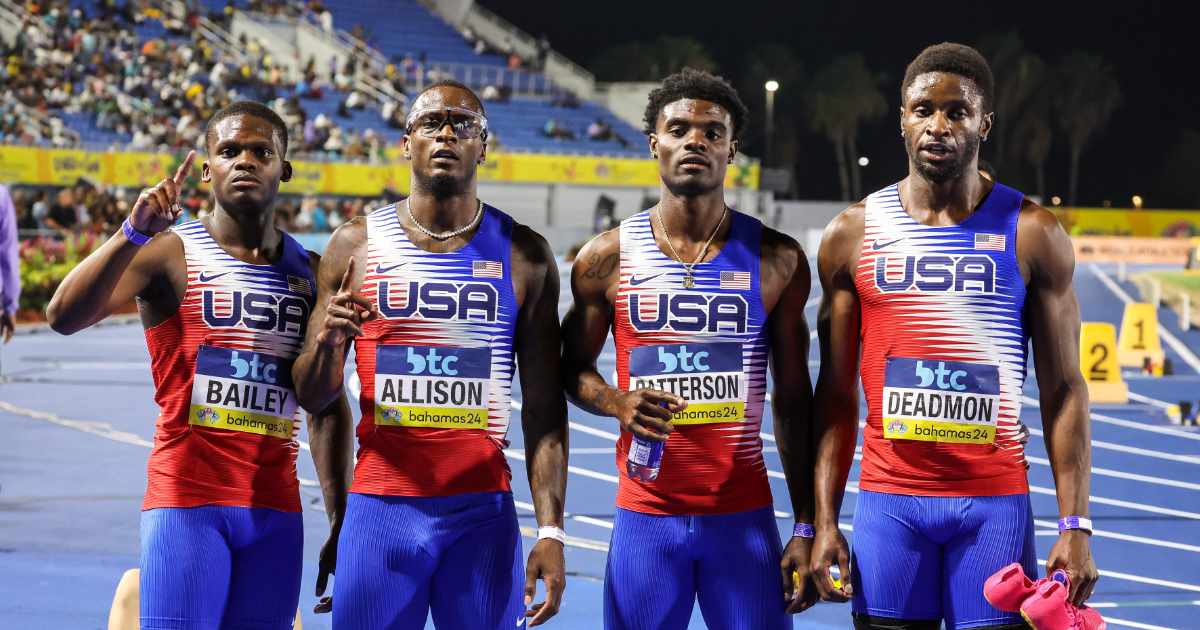
Against the recommendation of distance runners everywhere, World Athletics decided to eliminate the 4 x 800m, DMR, and 4 x 1500m (...that one’s okay to cut, actually…) to instead lean into the mixed-gender relays. Those squads will have the chance to qualify for the World Ultimate Championships in Gaborone, too, but with unmatched depth, the US can afford to send a B or even C team—which is exactly what Team USA is doing.
The U.S. opting out of most races at World Relays doesn’t seem like something that will change, short of the event itself changing significantly.
World Athletics could alleviate top U.S. athletes’ concerns about excessive travel by exclusively holding the meet in North America—which runs counter to the organization’s mission of hosting more high-quality meets in emerging markets and across every populated continent.
World Athletics could force Team USA’s hand and make participation in World Relays a requisite to field relay squads at major global competition—again, that doesn’t feel particularly egalitarian, given the resources required to attend the meet, which many smaller federations lack.
Or World Athletics could make the juice worth the squeeze for the Rai Benjamins of the world by drastically increasing the financial incentive—while money talks, we’d imagine WA’s accountant can too, and they’d say “no way, man, we cannot afford that.”
It just goes to show how difficult growing the sport can be, when there are conflicting interests who—acting perfectly rationally—will rarely align on priorities. It’s not as simple as toggling a giant lever in the direction of “MAKE TRACK BETTER!”
All that said, it’s easy to empathize with Botswana’s frustration. They won’t be able to face off against their rivals on home soil in front of what will presumably be an incredible crowd. At the same time, where were Letsile Tebogo, Bayapo Ndori, and Busang Collen Kebinatshipi during the 2025 World Relays in Guangzhou? They were in China the week before racing in the Diamond League, but chose not to compete… because of money!
Keep up with all things track and field by following us across Instagram, X, Threads, and YouTube. Catch the latest episodes of the CITIUS MAG Podcast on Spotify and Apple Podcasts. For more, subscribe to The Lap Count and CITIUS MAG Newsletter for the top running news delivered straight to your inbox.

Kyle Merber
Kyle Merber is a former professional miler turned media multi-hyphenate. While he’s not above dropping a quick “back in my day,” he’s far more focused on the present. Since 2021, he has brought his signature analysis and commentary to track fans across the CITIUS MAG network. When he’s not writing The Lap Count or hopping on podcasts, Kyle manages partnerships and pitches a relentless stream of ideas for Chris to consider. He might not be running a 3:52 mile anymore, but he keeps himself in just good enough shape to ensure the athletes still respect him.