By David Melly
July 29, 2026
Like Odysseus returning to Ithaca, the team has made it back home from the long journey across the stormy seas of the East River to the remote island of Randall. And also like Odysseus, the trials (and finals) we faced along the way taught us a lot.
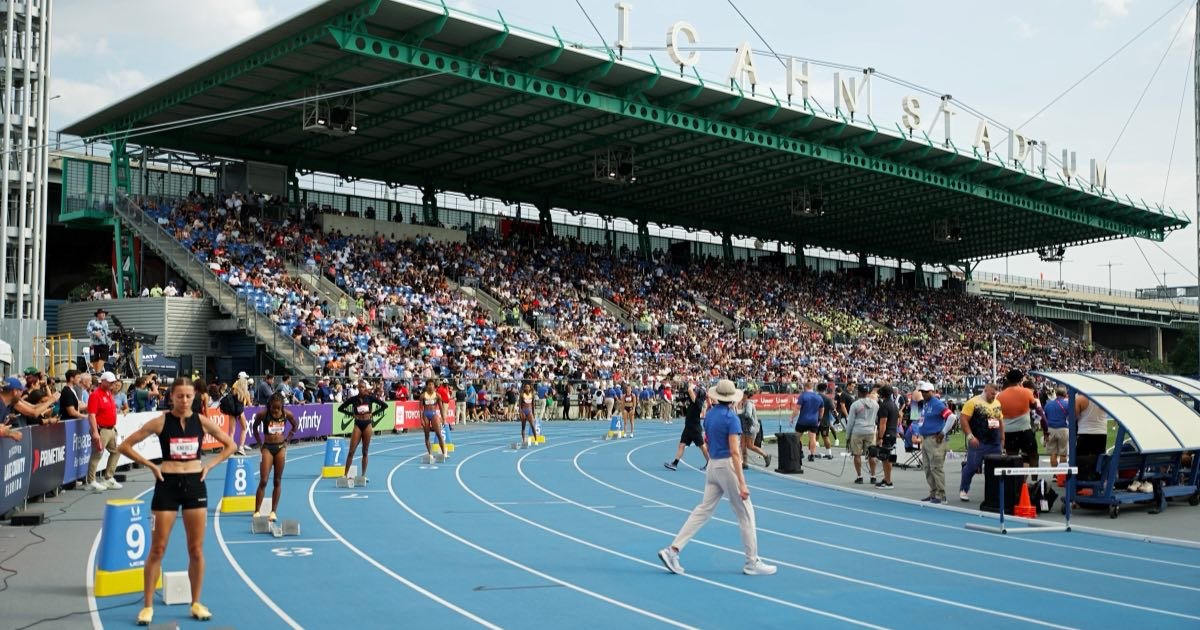
The first New York-based U.S. Championship in over three decades is in the books, and in so many ways, it was very different from the last five editions of USAs, all of which took place in Eugene, Oregon. Unlike an Olympic Trials, all the action was compressed into four days of action, and with no global championship teams being selected, more than a few stars opted to focus on their own personal Odysseys of the European summer circuit over domestic glory.
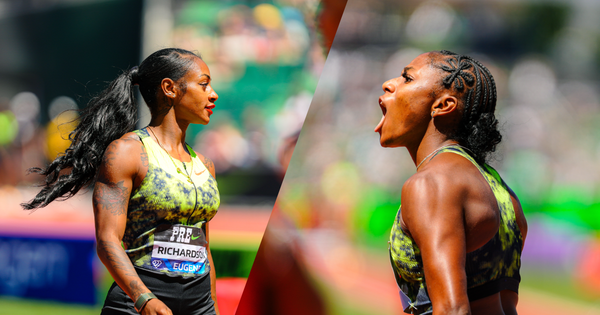
That isn’t to say the results were all that watered down, however. Look at the short sprints, where Noah Lyles and Sha’Carri Richardson took the 100m finals in 9.79 and 10.77, respectively. Throw in Melissa Jefferson-Wooden dropping a 21.69 in the 200m, Cooper Lutkenhaus negative-splitting a 1:43.48, and two men nearly tying for the victory at 13.00 in the 110m hurdles, and any worries that the Icahn Stadium times would pale in comparison to Hayward Field were put to rest.
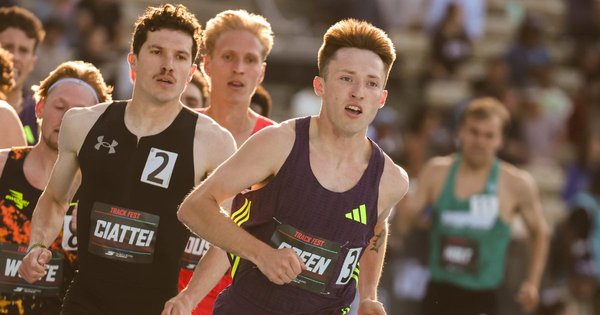
The distance races were… another story. Whether it was the women’s 10,000m going out in 99 seconds or the men’s 1500m closing in 51, the overarching theme of the championships races this weekend were a whole bunch of athletes with infallible faith in their own kicks putting that (over)confidence to the test. That probably explains why the men’s and women’s 5000ms were both won by athletes who’d placed top-three in the 1500m the day before, giving Emily Mackay and Vince Ciattei the first U.S. outdoor titles of their respective careers.
So what did we learn from all this? There was a lot of talk heading into the meet over whether an off-year championship in a new city would produce a better or worse entertainment product, or if such conditions could even perform the coveted magic trick of bringing entirely new eyes to the sport.
The results were mixed.
There was a lot to like about the East Coast version of USAs, and a lot that could be improved upon. Ultimately, it’s probably helpful to have made the change, if for no other reason than to test out different variables in the pursuit of finding new best practices that can be made permanent rather than putting on the same show year in and year out. Neither Hayward Field nor Icahn Stadium is a perfect place to watch track; such a place doesn’t exist (at least not in the U.S.). So the next best thing is to be both open to new ideas and willing to invest in replicating those that prove successful.
When it comes to scheduling, density is the goal. There was a lot of chatter early on in the weekend about sparsely-populated stands and whether or not fans would actually show up. That’s not unique to NYC; it’s pretty much a perennial talking point for every major American meet. What was noticeable, however, was how different the crowds were on Saturday and Sunday versus Thursday and Friday. Some of that is that it’s easier to fill a stadium on the weekends when folks aren’t forced to take time off or commute after work, but a lot of it comes down to the fact that the bulk of the exciting competition happened on days three and four of the meet, with only two track finals apiece on the two opening days.
Heats are a necessary evil of most track and field schedules, and there is value to creating doable doubles so the biggest names can get in front of the crowd multiple times. But the reality is that, without a team to make, many of the biggest stars—like Grant Fisher and Woody Kincaid in the 10,000m and Parker Valby in the 5000m, along with Lyles, Richardson, and Jefferson-Wooden—only picked one event to focus on anyway. World Ultimates seems to be betting on the value of trading off some quantity for quality, and it would be worth USATF further exploring ways to compress the schedule in non-championship years, perhaps looking a bit more like indoor NCAAs in the future.
The actual scheduling of events within a day leaves something to be desired as well. The current programming format usually allows hefty cushions for post-race interviews, commercials, and setup, but the net result is that there’s a lot of time when nothing is actually happening on the track. Sometimes, that dead air hanging over the oval is filled by field events, but usually the timing of final throws is more of a happy accident than deliberate choice. Better “block scheduling,” where track and field can end up looking more like a basketball game with 15-20 minute periods of constant action broken up by longer advertising, bathroom, and concession breaks, would make the actual flow of the meet more energetic.
It should be as easy as possible to go to a track meet. For the majority of Americans, it’s way easier to fly, drive, or train to New York City than it is to get to Eugene. Once you’re in the Big Apple, however… getting to Randall’s Island is a whole other story. It’s inaccessible by subway, includes very limited CitiBike parking, and a battle to reach in rush hour traffic. Shuttle buses and other forms of piecemeal transit infrastructure can only go so far. Compare that to Madison Square Garden, located in the heart of Midtown, and it’s not exactly a fair fight for casual sports fans’ attention.
Finding a host location that has the trifecta of being affordable, accessible, and populated enough to attract a built-in local audience isn’t easy, but there’s one obvious choice: Franklin Field, located at the University of Pennsylvania in Philadelphia. Annoyingly, a strict read of the rulebook means Penn isn’t allowed to host USAs because the track does not have nine regulation lanes all the way around. But if there’s ever a reason to bend the rules, it’s this. Consider this our official call to action for USATF and World Athletics to cobble together whatever exemptions and waivers are needed to allow Franklin Field to host USAs, building on all the great things about Icahn with a whole bunch of other benefits to boot.
Make USAs a party from start to finish. Sports, at the end of the day, are supposed to be fun. And yes, a big part of that is sitting in your seat with your friends and family and cheering when Valarie Sion yeets a discus halfway across the island, but every part of the experience around that thrilling moment should be additive. Icahn Stadium did have food and drinks, both alcoholic and virgin, for sale, but only at one location. There were a limited number of fan activations outside the stadium, but plenty of unused space immediately adjacent to the athletic facilities.
Who doesn’t love a tailgate?! Allowing the area around the stadium to become part of the attraction both before and during the meet makes it easier for fans (especially those with rambunctious young future track and field stars) to make a whole afternoon of it, which in turn makes the in-stadium vibes more positive and exciting. Some of this is already happening—like having athletes throw T-shirts to the fans after their event, and situating the warmup area right near the entrance so fans get an extra look at their faves—but when it comes to atmosphere, more is generally more.
Many elite track and field events benefit from a well-timed mass participation event, like the BAA 5k before the Boston Marathon or the various road races that coincided with the Budapest World Championships. You’d never know it based on the advertising, but the New York Road Runners actually hosted its annual Team Championships 5-Miler Sunday morning in Central Park. It feels like a no-brainer to cross-promote and create a little synergy. Host the race—one that lures about 5,000 dedicated club runners out to the starting line—at Randall’s Island two hours before the meet! Give the winning team free drink tickets! Make Noah Lyles the official race starter! The possibilities are endless and largely mutually beneficial.
Complacency is the enemy of success, and USATF deserves a lot of credit for switching things up. Every sport, not just track and field, relies on a careful balance of tradition and innovation to keep its existing audience base happy and attract new viewers. No one in their right mind would argue that we’ve perfected the formula, and in a lot of ways, that’s a good thing: it creates demand for creative thinking, collaboration, and growth. If the national championship ends up back in Hayward next year, here’s hoping they bring some of the best parts of this year’s edition with them.
David Melly
Since David began contributing to CITIUS in 2018, he's done a little bit of everything, from podcast hosting to newsletter writing to race commentary. Currently, he coordinates the social media team and manages both the CITIUS MAG newsletter and The Lap Count, supplying hot takes and thoughtful analysis in both short- and long-form. Based on Boston, David breaks up his excessive screen time by training for marathons, crewing trail races, baking sweet desserts, and mixing strong cocktails.