By David Melly
August 5, 2026
What exactly is the Commonwealth Games?
We know what they are on paper: a nearly 100-year-old quadrennial assembly of 74 national teams to compete for medals in ten sports, offset two years from the Olympics themselves. The championship originally known as the British Empire Games is, despite its weird and persistent shades of colonialism and monarchism, held in high esteem by England and the 73 other jurisdictions with King Charles on their money. Athletes from those countries prize Commonwealth medals just below World and Olympic ones, sometimes to the confusion of those of us watching quizzically from the outside.
Ethical and moral questions aside, the Commonwealth Games matter.
But like… why? Perhaps that’s the better question.
The history, particularly for Brits themselves, is part of it. But in large part, winning gold at Comms matters because the competition is really, really good. The fact that Jamaica and Kenya were once colonized by the English means that both the sprints and distance events require elite performances to land on the podium, particularly when compared with, say, the European Champs.
Here’s how the 66 individual track medals at the 2024 Olympics broke down: 20 Americans, 25 athletes from the Commonwealth of Nations, and 21 from other countries. The field events are a little more equitable (10 U.S., 19 Commonwealth, 25 other). So while no one participating nation is better at track and field than Team USA, collectively, the competition is stronger than at our national championship or any other regional championship.
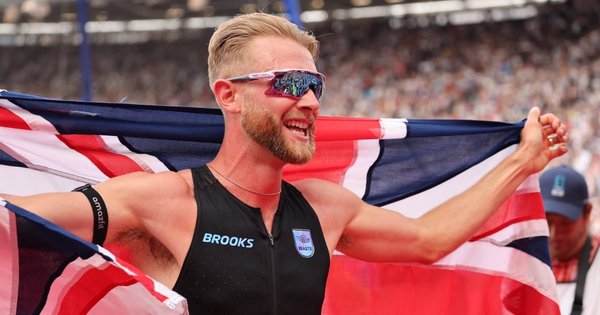
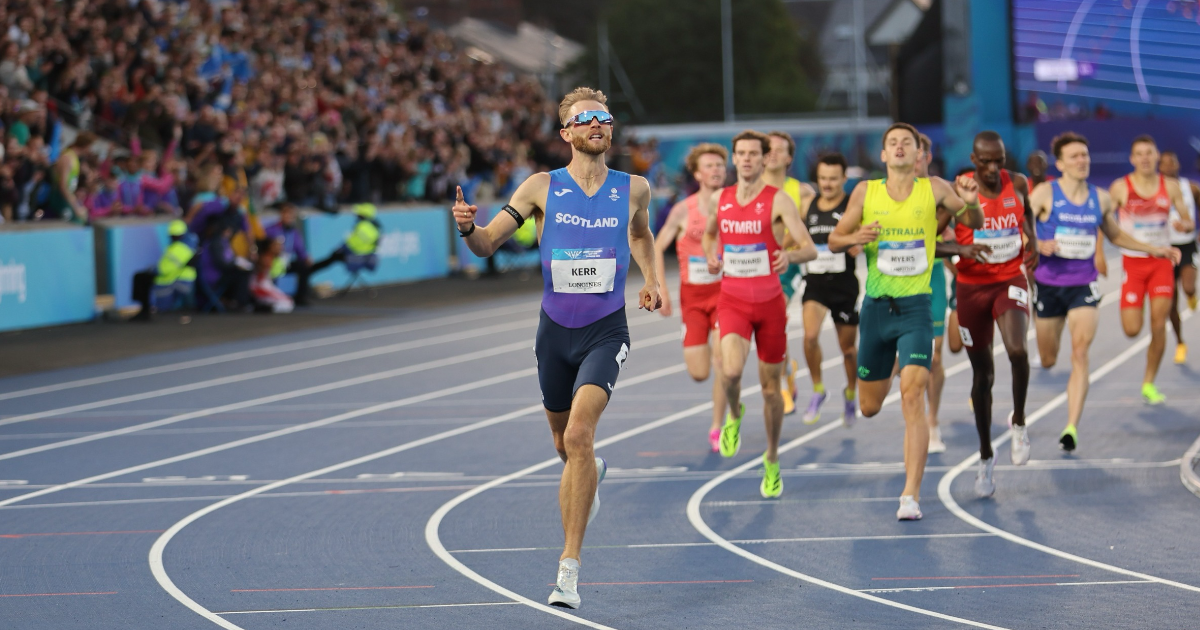
What that means, essentially, is that for Josh Kerr to win the mile at the Commonwealth Games, he must face the strongest medal competition he’ll see outside of a World or Olympic final. Which, in a year like 2026, means the Commonwealth Games is probably the toughest championship race on his schedule (apologies to World Indoors but it’s true).
If you’re deciding to put all your 2026 eggs in a small number of baskets, it’s understandable that you’d bet on the staying power of Year 96 of Comms over Year 1 of the World Ultimate Championships. Which isn’t to say that many of the same athletes won’t double back and vie for gold at both. But when these folks are sitting comfortably in their living rooms 20 years from now, the stronger conversation piece might be the medal on their mantel also given out to Usain Bolt, Steve Cram, or Merlene Ottey. But the Commonwealth Games aren’t just a legacy endeavor.
This year’s results were, for a lack of a better word, cool. The men’s 100m saw the generally-unsung Emmanuel Eseme set a Games record of 9.83 for Cameroon, just ahead of Australia’s Lachie Kennedy, who became the fastest white boy in history, at 9.85. Ky Robinson pulled off a tactical master class with a front-running 27:48.93 gold in the 10,000m, as his fellow Aussies ran rampant over the women’s distance events, picking up all three golds and six of nine medals in the mile, 5000m, and 10,000m. Adaejah Hodge kept her summer going strong with a 22.07 win in the 200m, which of course sparked controversial comments from some sore losers.
The athletes from the British Isles—back under one national team umbrella after enjoying the rare chance to rep their various countries and dependencies—will get to run it all back next week at Europeans, and the youngsters head to Eugene this week for the World U20 Championships. But with no Diamond Leagues set for another three weeks and not much else on the calendar, any American pros riding the high of USAs are forced to scour the globe and send their agents on a scavenger hunt for quality meets in August. Most of them will retreat back into training mode, only for a select few to emerge from mid-summer hibernation if they get one of 16 entries on offer for Ultimates.
That’s not the most exciting prospect for American track fans. And it’s got us asking: where’s our Commonwealths? The U.S. and our North American neighbors have NACACs, a strange semi-regular regional championship that started in 2007 and has been held five times total, but the collective sentiment is that the host locations (generally altitudinally or climactically unfavorable to fast times) and competition (basically the same as USAs, at best) renders it largely superfluous to the greater track and field picture. As a matter of practice, the squads Team USA sends to NACACs tend to be comprised of folks who didn’t finish top three at that year’s national championship.
The Europeans have Europeans; the Africans have the African Championships and the African Games. The problem for American track and field fans, particularly in a year like this one, is that we don’t have a suitable “‘tweener championship” to attract stars and fill the gaps on a scale somewhere between national and global. Maybe one day we’ll have a Revolutionary War Dual Meet, where we team back up with France to take on the Commonwealth nations in what would be a pretty fair fight, but that doesn’t seem likely any time soon.
Without the benefit of a century of prestige and national fan bases that, y’know, care about track, we’re forced to watch Commonwealths jealousy from our La-Z-Boys while drinking Bud Light and munching on bright orange chips filled with chemicals that would kill a Victorian child. And next week we’ll be frantically googling “Birmingham time zone to EST” and “Femke Bol which event?” when the UK hosts their next big ‘tweener championship, Europeans. It’s so hard to make events matter in the current athletic ecosystem, which makes those meets with genuine, built-in cultural significance all the more precious.
So don’t take it for granted, chaps.

David Melly
Since David began contributing to CITIUS in 2018, he's done a little bit of everything, from podcast hosting to newsletter writing to race commentary. Currently, he coordinates the social media team and manages both the CITIUS MAG newsletter and The Lap Count, supplying hot takes and thoughtful analysis in both short- and long-form. Based on Boston, David breaks up his excessive screen time by training for marathons, crewing trail races, baking sweet desserts, and mixing strong cocktails.