By Preet Majithia
April 27, 2026
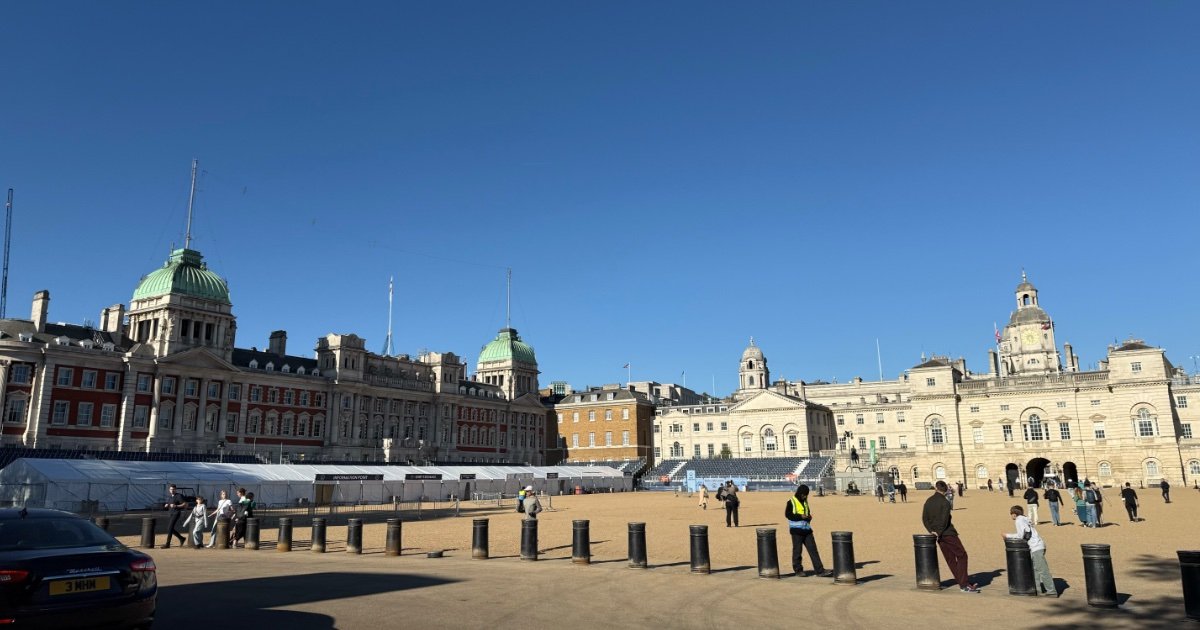
As the weekend approached I had little idea what was in store. Each year, the London Marathon builds a media tent in St James Park, close to the finish line, which is on The Mall outside Buckingham Palace. I rarely venture to this part of London, which is mostly reserved for tourists, diplomats, and politicians. But it is stunningly beautiful and steeped in history.
The government buildings surrounding Horse Guards Parade basked in glorious sunshine and crystal blue skies as I arrived for the first of the press conferences on Thursday morning. But I wasn’t quite able to appreciate it—my first reaction was to think back to the painfully hot marathon day last year, and whether we might be in for a replay.

The great thing about the press conferences spanning multiple days was that I didn’t feel rushed. I was able to interview all the key elite athletes one on one, and also speak to some coaches, agents, and even other members of the media to get additional insights and to pull together my own thoughts, many of which I shared in the preview podcast.
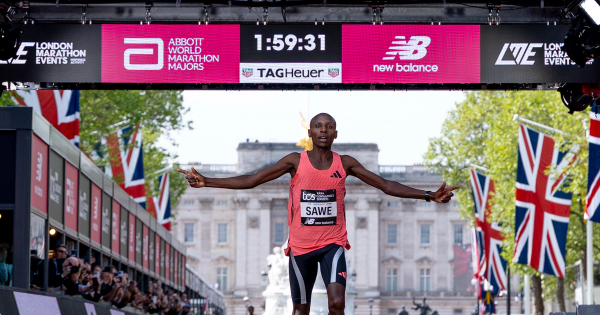
The men’s press conference was on Friday—after we recorded the preview. I had interviewed Sabastian Sawe in the same place the previous year, and the quiet confidence that he exuded then carried over to 2026.
I also spoke to his coach, Claudio Berardelli, who told me that Sawe was “born to run the marathon.”
That notion stuck to the forefront of my mind as the race played out and we realized we were witnessing something special. With the first half going through at the expected 2:01 pace and the women’s race reaching a thrilling climax, it was only when the leading men got their 35km split that it became apparent that something special could happen. But even then, with 7km to go and the projected pace being just around the current world record, there was some uncertainty remaining.
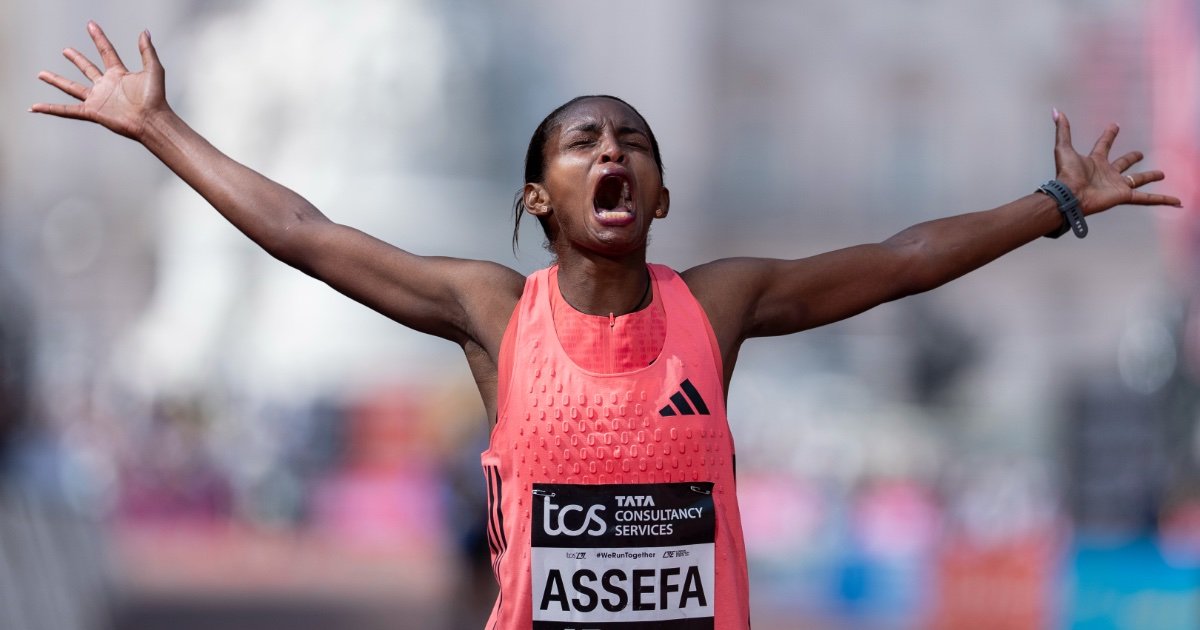
Shortly thereafter, Tigst Assefa crossed the line first in a new women’s only world record, so I posted the finishing times and results after taking in the glorious final sprint on the final turn into The Mall. Assefa’s achievement deserves significant celebration, but little did we know how severely—fairly or not—it would be overshadowed by Sawe and others just moments later.
We knew the men’s world record was within reach, but when we heard an announcement about the two lead men’s 4:12 split for the 24th mile, it felt like something crazy was happening. It was also unbelievable that Sawe and Kejelcha remained together—we still had a race on our hands!
It is rare that a roomful of inevitably rule-following British media persons will break out of their professional demeanour, but as Sawe crossed the line in 1:59:30, this was one of those moments. The cheering and applause were a recognition—among a group of people who have spent years of their lives watching incredible sporting feats while remaining calmly professional—that this was truly a once in a lifetime moment, the crossing of a rubicon for the limits of human performance.
It took some time to sink in, as it had come up on us so suddenly. We had perhaps expected an attempt at the World Record in the Fall… and if successful, a build up to attempting a sub-two hour race in 2027. Instead of months of anticipation, there were barely 10 minutes between us realising it might be a possibility to the record books being entirely rewritten.
Even more extraordinary was that Yomif Kejelcha, in his debut marathon, had broken the two hour barrier and had not even won the race. The best reaction I have since seen to this online was that he is currently the only marathoner never to have run over two hours. It will forever remain a privilege that I had the opportunity to speak to him shortly thereafter. He promised he would go for it, and he absolutely did.
There is inevitably the question of what comes next, both for the two men who broke the once unthinkable barrier, but also for the marathon as a whole. I took the opportunity to speak to the race’s elite athlete coordinator, Spencer Barden, about whether he had anticipated this even in his wildest dreams, and what he does next year to top this.
As I wasn’t out there on the course, I asked two runners and track and field fans who were racing to share their experiences of running on the same day and same course as the first sub-two hour Marathon.
Elle Warren
Puma Project 3 Marathoner and Citius Mag Podcast listener - 2:46:53
My race day started with a very British kind of chaos; semi-polite queueing followed by a heaving, delayed train with runners spontaneously breaking into song, then a power walk to the Championship start. The scene there is surreal—a sea of Puma kits (myself included), YouTube run-fluencers, and enough Oakleys, Maurten and supershoes to fund a small athletics federation. We lounged in the sun and watched the elite women and wheelchair races go off, until the pre‑race jitters kicked in and suddenly around 200 of us were jogging in a giant oval like hamsters in a wheel.
Eventually we were funnelled forward, lining up behind the elite men and listening to the roll call—Sawe, Kiplimo, Kejelcha, Sesemann. You could feel the nervous energy ripple through the field but finally the gun went, and seconds later we were over the mats. The men surged ahead, leaving a mostly female pack running sub‑4:00/km through the early miles.
At 5km the three starts merged and the intensity doubled. I missed the first water station entirely, but people are always generous enough to share their bottles (if Assefa and Obiri can do it at 35km, we can do it at 5km). At 10km, Cutty Sark delivered its usual roar with crowds even deeper than usual, thanks to the sunny spring morning. Perfect for spectating but, personally, a touch warm for marathon running.
Tower Bridge was electric at halfway, and with three Londons under my belt, I knew exactly where the photographers would be. Time to strike a pose and then channel Clayton Young—throw out some high‑fives, soak up the noise and remember it’s a privilege to run the best race in the world (sorry, Boston).
Just beyond, we caught a glimpse of the expected top three women, locked in battle, with Eilish McColgan just a few minutes behind. At my pace we don’t cross paths with the elite men, so we had no hint of what was unfolding a little way up the road. Canary Wharf blurred by and soon I was on Embankment, my favourite stretch and in its absolute element on Sunday—shade, tailwind, and crowds so loud you can’t hear yourself think. Two miles to go. Little did I know that about 40 minutes earlier a 4:12 mile had been dropped here (I was pretty happy with my 6:19).
A right turn at Big Ben, down Birdcage Walk, sweep around Buckingham Palace, and finally The Mall is there. I crossed the line in 2:46:53, a 73 second PB, and 60th woman in the masses.
And then word rippled through the finish area that the first two men had broken two hours (from a reporter who could not remember the name of the man who came second, despite my interrogation). Sub‑two, in London. Not bad in warm temperatures we’d all been complaining about, on the same roads we had just run on. History was made and we were all a part of it, although I couldn’t help thinking that maybe I could’ve run that Embankment mile a little bit faster.

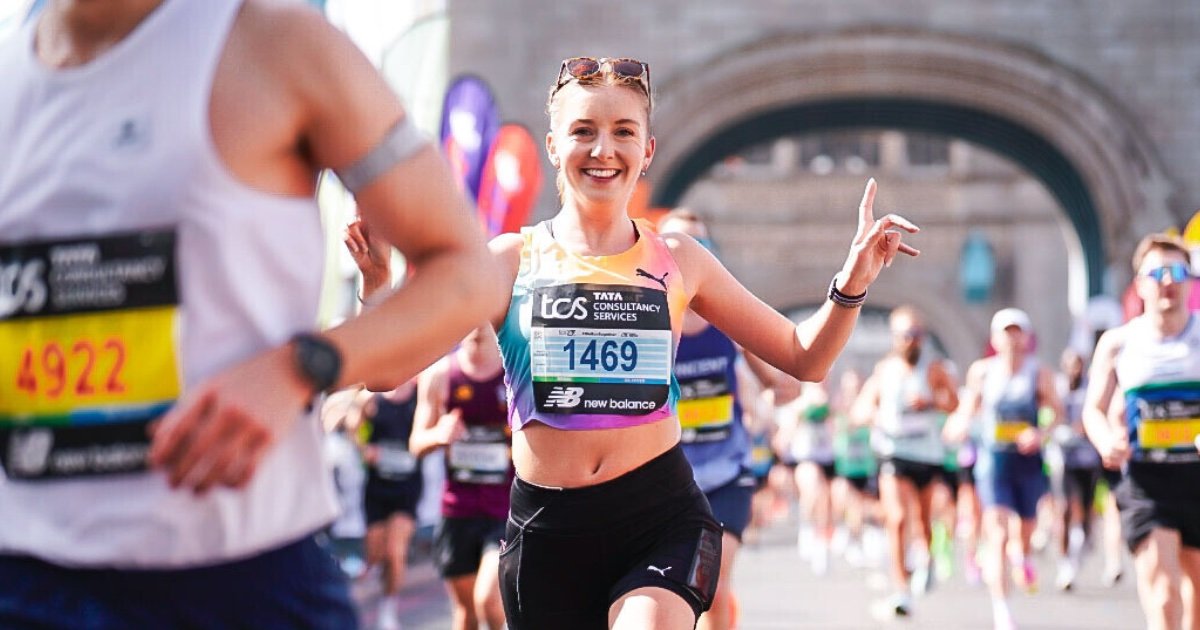
Elle Warren
Bjorn Paree
Dutch track and field superfan and photographer – 6:40:19
For many years I have watched the London Marathon on the BBC and in recent years I have been active as a photographer on the streets during the race. I have entered the ballot almost every year since 2008 but have never been selected, until this year.
It was special to run my last run on Saturday morning in Hyde Park and see British pacemakers Lily Partridge, Sam Harrison, and Alexandra Bell also running there. On Sunday morning my official start time was set at 11:12 so I planned to be there to see the elite women start at 09:05 and then see the elite men start at 09:35. It came all together just perfectly—for so many years I had watched that start on TV and now I was standing there, watching it live, then going to prepare for my own start.
Running is the only sport in the world where elite and casual athletes are in the same race and as you go under that start bridge, it is special to know you are on your way for 26.2 miles behind the elites. From the moment I started I followed the blue tangent line on the road, to me not only the fastest line but also the line where the elites are running.
Just after 5km there is a roundabout where all the three start groups come together. Just after the roundabout I heard someone screaming my name loudly “Bjorn, come here I’ve got to show you something.” I did have my name on my shirt and it was so great to hear all the cheers during the race but this man was looking serious so I stepped to the right and stopped for a second.
He said “you don’t know me but I know you are interested in this.” Then he showed me his phone with the top three results. That moment, to me, was so special! For the first time in history a sub-two hour marathon had officially been run… and not by one, but by two men. I know Yomif Kejelcha and photographed him at multiple races and during his training in St. Moritz, Switzerland, when he was running with Sifan Hassan.
I screamed with happiness and shouted “WORLD RECORD! SUB-TWO HOURS!' to the runners passing by. Some reacted with cheers and others just continued their own race, not realising what had just happened in the elite race. You can’t imagine the joy I felt in the moment, knowing I was running in that same race. It made following that blue line on the road even more special! Unfortunately for me the weather was a bit warm and cramps in my right calf started at 12km, but even so, I really wanted to finish more than ever to be able to say that I ran that same race as where that magical two-hour mark was broken for the first time in history.

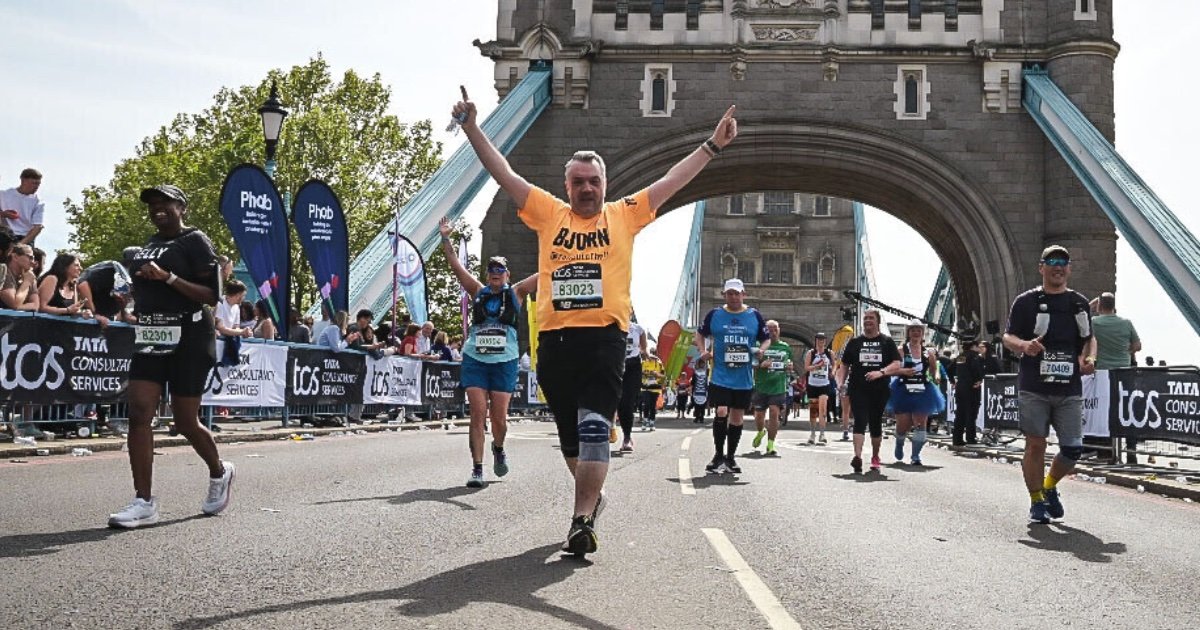
Bjorn Paree
Keep up with all things track and field by following us across Instagram, X, Threads, and YouTube. Catch the latest episodes of the CITIUS MAG Podcast on Spotify and Apple Podcasts. For more, subscribe to The Lap Count and CITIUS MAG Newsletter for the top running news delivered straight to your inbox.

Preet Majithia
Preet is a London based accountant by day and now a track fan the rest of the time. Having never run a step in his life he’s in awe of all these amazing athletes and excited to help bring some attention to the sport.