By Kyle Merber
August 5, 2026
The Los Angeles Dodgers have broken baseball.
The reigning American League Cy Young winner, Tarik Skubal, was traded from the Tigers to the back-to-back World Series champions. For the non-baseball fan readers, basically: the most dominant team is becoming more dominant. But the larger implication of this acquisition is that it may have just canceled the 2027 season.
The MLB players union’s collective bargaining agreement is set to expire in December, and the main topic of debate will be a potential team salary cap—something the NFL, NHL, and NBA all already have. The team owners, players, and league management will all be fighting over whether teams should have upper and lower limits to how much they can spend, with no clear resolution in sight. Currently, the Dodgers are happy to pay $180M+ in luxury tax penalties in exchange for a basically unlimited budget, while the Cleveland Guardians keep trying to Moneyball their way to a .500 record. Players deserve their value in a free market, fans deserve a front office that tries to win, but it’s bad for the game if three teams are pricing the other 27 out of a legit shot at a title.
So we’ll probably have no baseball for a bit.
This would never happen in track and field because there is no Player’s Association. Every athlete is piecing together their salary from different money sources, whether it’s shoe contracts, sponsors, meets, federations, or benefactors. There is no single source of income, so there is no single entity to boycott. And without a consistent definition as to who would even qualify as a professional, unionization remains a nice idea in theory, but mostly impractical.
That doesn’t mean action is impossible or meaningless. There is a whole generation of USATF athletes who only remember Nick Symmonds as a whacky YouTuber and not a modern day Prefontaine who sacrificed a World Championship roster spot to fight for better revenue sharing. Many hundreds of athletes have been paid out multiple thousands of dollars because Symmonds caused a fuss. If you are an aging veteran star, try thinking like a Boy Scout before your Achilles pops: how might you leave the sport better than you found it?
The quiet truth is that there’s never been a better time to be a professional track athlete than right now. Contracts are up! Appearance fees are up! Prize money is up! And NIL contracts are circumnavigating child labor laws.
With LA2028 on the horizon, shoe companies are getting aggressive and setting themselves up for maximum exposure. All the while, NIL contracts are giving the kids options because staying in school pays, but those contracts also typically have rights of first refusal baked into them, so once a student-athlete turns pro, their NIL sponsor gets first dibs. Once a brand has invested a few years into a career, they’d usually like to maximize returns beyond the NCAA restrictions. In baseball, the top free agents are choosing between the Dodgers and losing—an easy decision. In track, athletes are choosing between more studying, signing with their NIL sponsor, or waiting out the tail period.
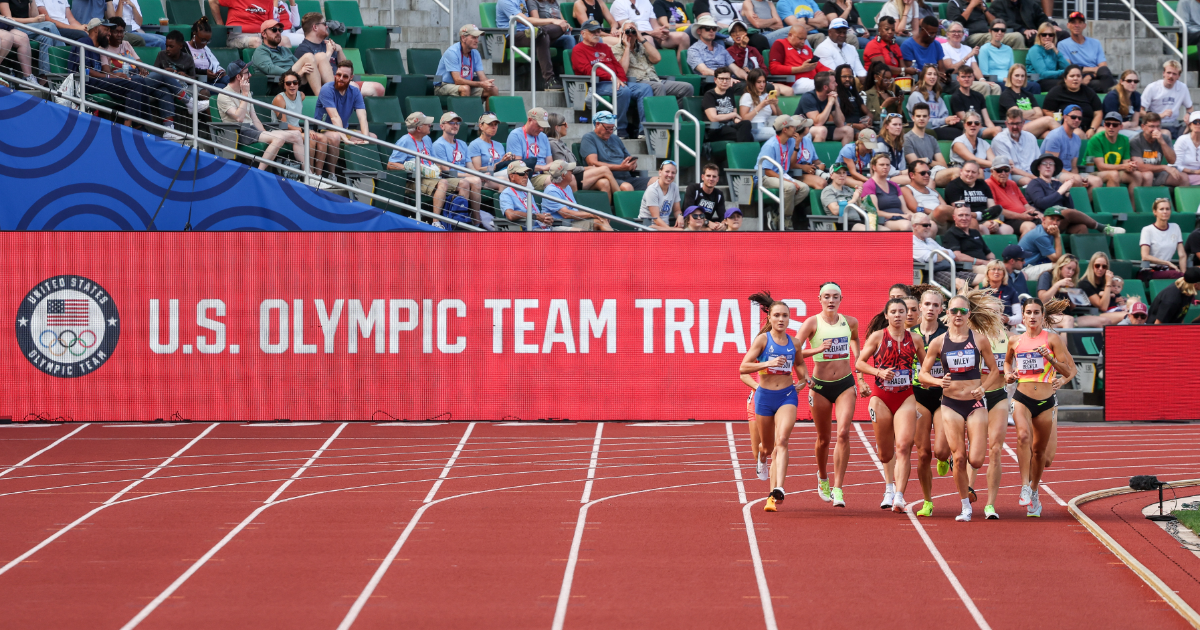
Let’s take a look at the podiums from the U.S. Olympic Trials in 2004 vs. 2024 to see how representation has changed.
2004: Nike (51%), Adidas (15%), Asics (3%), Mizuno (2%), New Balance (2%), NCAA/Unattached/Other (27%)
2024: Nike (33%), Adidas (15%), New Balance (8%), Puma (5%), Brooks (4%), Asics (3%), On (2%), Under Armour (2%), lululemon (2%), NCAA/Unattached/Other (26%)
Economics 101 would suggest competition is good. That 18% dip of market share from Nike opened the doors to other brands to see their way onto the podium, and that’s not including others who still have a presence, like Hoka, Tracksmith, Bandit, Saucony, and other new challengers.
But why the increase in brand diversity?
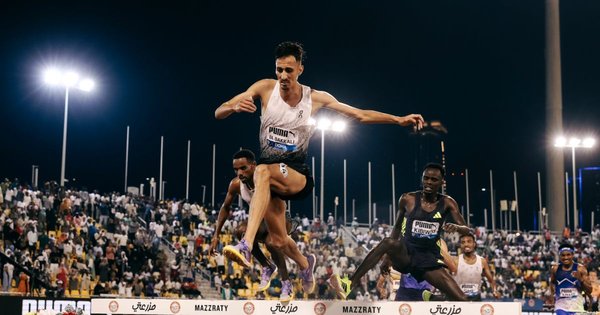
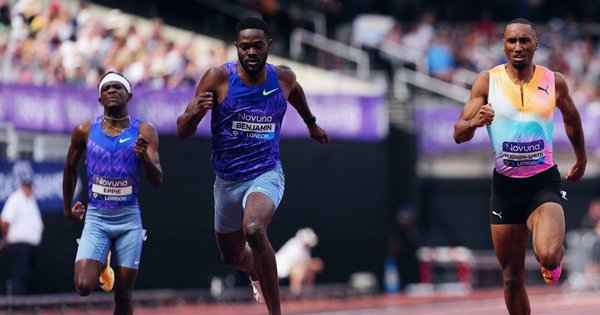
It’s because athlete sponsorship works, and more brands are recognizing its impact. As a result, we as fans get a better, more interesting product on the track (and it’s easier to tell different uniforms apart). Those lucrative bidding wars are good for the stars, but the trickle-down is creating opportunities for more athletes to chase their dreams and therefore contribute to the depth of performances.
Ultimately, the motivation for a company to pour money into any type of marketing, athlete sponsorship included, isn’t pure benevolence; it’s to convert the dollars spent into sales. Putting the fastest athletes in the world in your gear lends credibility to the product, makes a logo visible, unlocks the potential for storytelling, and helps shape a brand identity. But depending on the maturity of a brand, the motivation boils down to one of two things: awareness or association. For newer, smaller companies, the athletes could have bigger followings than their backers and can provide a megaphone to amplify. For the legacy players that already have distribution channels, it’s about finding credible salespeople for what you’re hawking.
Baseball and track and field are different. (No sh*t!) Sure, Shohei Ohtani is moving a few pairs of cleats for New Balance, but predominantly professionals are making their income from teams. And MLB teams, for the most part, sell tickets and merch by winning. A player’s value can be quantified by a metric called WAR or Wins Above Replacement.
In track and field, determining whether or not you’re a winner in the most literal sense doesn’t require a formula—you just look for where your name slots into the results page. But the good news is that while winning is nice, it’s not everything. Instead the fictional statistic that matters would be something like “IRG”: Influenced Revenue Generated. If an athlete made most of their money from Diamond League appearance fees, the incentives would shift, but the smaller pond actually means all the fish have a better chance to eat.
Players like Tarik Skubal might make $32 million a year… but at least track athletes will have a season next year. We may have many structural problems as a sport, but in 2026, parity isn’t one—and for that, we’re fortunate.

Kyle Merber
Kyle Merber is a former professional miler turned media multi-hyphenate. While he’s not above dropping a quick “back in my day,” he’s far more focused on the present. Since 2021, he has brought his signature analysis and commentary to track fans across the CITIUS MAG network. When he’s not writing The Lap Count or hopping on podcasts, Kyle manages partnerships and pitches a relentless stream of ideas for Chris to consider. He might not be running a 3:52 mile anymore, but he keeps himself in just good enough shape to ensure the athletes still respect him.